
How to Sell a House in Las Vegas: A Complete Guide for Homeowners
Selling a home in Las Vegas is not a single event. It is a process, and how well that process is managed determines everything from how quickly the home sells to how much money the seller walks away with.
After more than 10 years working full-time as a Las Vegas real estate agent, I have sat across the table from hundreds of sellers, navigated every type of market condition this city has thrown at us, and seen firsthand what works and what doesn’t. The difference between a home that sells fast and for top dollar and one that sits on the market for months almost always comes down to five things: preparation, pricing, marketing, negotiation, and how the closing is managed.
This guide breaks all five down in detail so you know exactly what to expect — and what to demand from your agent — when you are ready to sell your Las Vegas home.
The Five Steps to Selling a Home in Las Vegas
- Prepare the home so it shows at its absolute best
- Price it correctly from day one to attract serious buyers
- Market it at the highest level to create maximum exposure and demand
- Negotiate offers strategically to protect your interests
- Manage the closing timeline so nothing falls through the cracks
Every one of these steps matters. Skipping or rushing any one of them costs sellers money. Let’s go through each one in depth.
Step 1: Preparing Your Home for the Las Vegas Market
Most sellers underestimate how much preparation matters. The truth is, the work you do before your home hits the market is often the single biggest factor in how buyers respond to it on day one.
In Las Vegas, buyers are scrolling through dozens of listings online before they ever schedule a showing. Your home has about three seconds to make an impression in a photo grid. If it doesn’t stop them mid-scroll, they move on. That means preparation is not just about making the home look nice in person — it is about making it look extraordinary on screen.
What Preparation Actually Looks Like
Preparation is not about spending tens of thousands of dollars on renovations. It is about making smart, targeted improvements that buyers notice and respond to emotionally.
Deep cleaning and decluttering
A clean home photographs better, shows better, and sells faster. This means more than a standard clean — it means windows, baseboards, grout lines, appliances, and every surface a buyer’s eye will land on. Clutter makes rooms feel smaller and distracts buyers from the features of the home. Everything personal and everything unnecessary should be removed or stored before photography.
Paint and cosmetic updates
Fresh, neutral paint is consistently one of the highest-return investments a seller can make. It makes a home feel clean, updated, and move-in ready. In Las Vegas, warm neutral tones photograph well in our natural light and appeal to the broadest range of buyers. It is inexpensive relative to the return it generates.
Curb appeal
Las Vegas buyers often drive by a home before they ever schedule a showing. First impressions start at the curb. Freshly trimmed landscaping, clean walkways, updated exterior lighting, and a welcoming front entry all signal that the home has been cared for. In a desert climate, a well-maintained yard stands out.
Minor repairs and deferred maintenance
Buyers notice the small things. A dripping faucet, a sticky door, a cracked light switch cover — these are inexpensive to fix but send a message that the home may have bigger hidden problems. Address deferred maintenance before listing so buyers are focused on the home’s value, not its condition concerns.
Staging for photography and showings
Staging does not mean renting furniture for an empty house. It means positioning the furniture and decor you have to show each room at its best. In occupied homes, this often means removing oversized furniture, simplifying surfaces, and creating clear visual flow through the space. Staged homes photograph better and sell faster — consistently.
My Concierge Approach to Preparation
One of the things that sets my process apart is that I do not just hand sellers a to-do list and walk away. For clients who want it, I offer a private concierge service where I coordinate the preparation process directly — connecting sellers with trusted contractors, designers, and vendors to get the home ready. I have helped clients manage everything from full pre-listing remodels to selecting finishes for updates that maximize value. When preparation is handled right, the results speak for themselves.
In one recent Las Vegas listing I handled, the home had been vacant for several months. Before we listed, we coordinated a full deep clean, addressed deferred maintenance, refreshed the landscaping, and brought in a professional photographer and videographer. The home received multiple offers within three days and closed above the asking price. Preparation made that possible.
Step 2: Pricing Your Las Vegas Home Correctly
Pricing is the most consequential decision a seller makes. Get it right and you attract serious buyers quickly, often with multiple competing offers. Get it wrong and the home sits — and every day it sits costs the seller negotiating leverage, time, and ultimately money.
The Las Vegas real estate market is dynamic. It responds quickly to inventory changes, interest rate shifts, and seasonal buyer patterns. A price that was right three months ago may not be right today. This is why pricing requires a real, current analysis — not an online estimate, not a guess, and not an agent telling you what you want to hear to get the listing.
- How Accurate Pricing Is Determined
A serious pricing analysis in Las Vegas looks at several layers of data:
- Recently sold comparable homes in your specific neighborhood — not just your zip code
- Active listings you will be competing against the moment you hit the market
- Expired and withdrawn listings that failed to sell, and why
- Your home’s condition, upgrades, lot size, and position relative to the comparables
- Current buyer demand and average days on market for your price range
- Seasonal market trends in Las Vegas
The result of this analysis is a pricing range with a clear recommended list price — not a range so wide it is meaningless, but a specific number backed by data and market knowledge.
- The Cost of Overpricing
Overpricing is one of the most expensive mistakes a seller can make in the Las Vegas market. Here is what happens when a home is priced too high:
- The home launches with low showing activity because serious buyers in that price range immediately recognize it as overpriced
- Days on market accumulate, which buyers and their agents notice
- A price reduction is eventually required, which signals to buyers that the seller is motivated — and invites lower offers
- The home sells for less than it would have if it had been priced correctly from the beginning
The best time to sell a home is in the first two weeks it is on the market. That window is only effective when the price is right from day one.
- Strategic Pricing to Create Competition
In active Las Vegas neighborhoods, pricing slightly below market value can generate multiple competing offers — which often drives the final sale price above what an aggressive list price would have achieved. This is a deliberate strategy, not desperation. It requires reading the market correctly and having the confidence to execute it. When it works, sellers get more money with less time on market.
Step 3: Marketing Your Las Vegas Home at the Highest Level
This is where most agents in Las Vegas fall dramatically short — and where the gap in results between a mediocre agent and a serious one is most visible.
The majority of agents in this market take 12 to 20 photos on a standard camera, upload them to the MLS, and call it marketing. That is not marketing. That is listing. There is a significant difference.
True marketing means creating demand. It means telling a story about the home that connects with buyers emotionally before they ever walk through the door. It means reaching beyond the buyers who were already looking and putting the home in front of buyers who did not know they needed to see it.
- Professional Photography
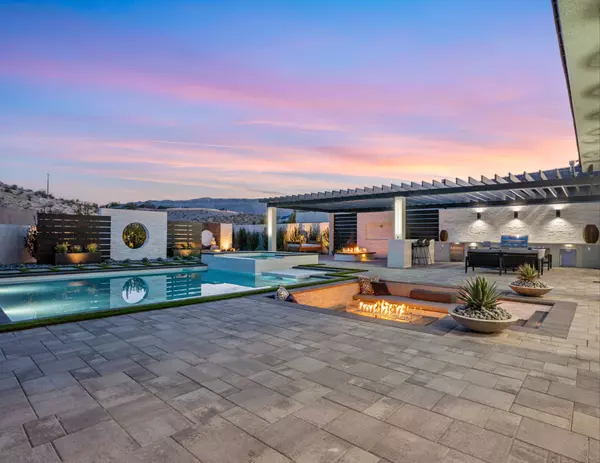
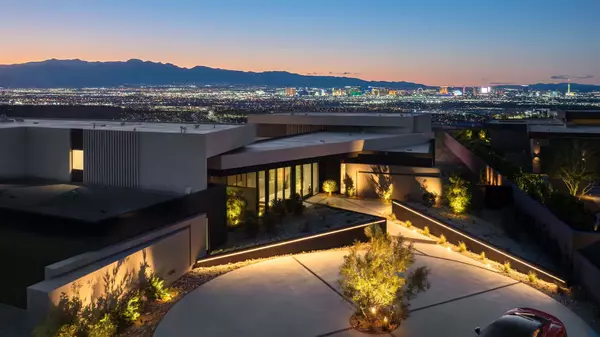
Professional real estate photography is non-negotiable. Period. The photos are the first showing. Buyers form an opinion about a home within seconds of seeing the listing images. Dark, poorly composed, wide-angle-distorted photos communicate that the seller and agent do not take the home seriously. Professional photography communicates the opposite.
Every home I list receives professional photography with proper lighting, composition, and post-processing. The goal is for every photo to make a buyer feel something — to make them want to see it in person.
- Cinematic Video
Las Vegas is a visual market. Buyers relocating from other states, international buyers, and local buyers shopping luxury and guard-gated communities all expect to see video. A professional cinematic walkthrough gives buyers a true sense of flow, space, and lifestyle that photos alone cannot convey.
Drone footage of the property, neighborhood, and surroundings adds context that matters — especially for homes with views, large lots, or desirable locations near Las Vegas amenities.
- Storytelling and Listing Copy
The written description of a listing matters more than most sellers realize. A listing description is not just a list of features. It is a story that positions the home in the buyer’s imagination before they visit. Strong listing copy speaks to the lifestyle the home offers, highlights the features that matter most to the target buyer, and creates a sense of urgency and desire.
- MLS, Syndication, and Digital Reach
Every listing is placed on the MLS and automatically syndicated to Zillow, Realtor.com, Redfin, and hundreds of other platforms. But syndication alone is not a marketing plan. It is the foundation. The marketing strategy built on top of it is what separates homes that generate immediate interest from homes that sit.
- Targeted Digital Advertising and Social Media
Strategic social media exposure and targeted digital advertising puts the home in front of buyers who are actively searching in Las Vegas — including buyers who have not yet connected with an agent. This extends the reach of the listing beyond the MLS ecosystem and into the channels where buyers are spending their time.
- Agent Network Outreach
In many Las Vegas transactions, the buyer is already working with another agent. Proactive outreach to the agent network — letting top buyer’s agents know a new listing is coming before it hits the market — can generate immediate interest and early showings. A well-connected listing agent with strong relationships in the local market is a genuine competitive advantage for sellers.
Luxury is a level of service, not a price point. Every home I list in Las Vegas — regardless of price — receives cinematic video, professional photography, strong listing copy, and a marketing strategy designed to create real demand. This is not a luxury reserved for million-dollar homes. It is the standard every seller deserves.
Step 4: Negotiating Offers in the Las Vegas Market
Receiving an offer is exciting. But the negotiation that follows determines whether the seller walks away with the best possible outcome or leaves money and terms on the table.
Negotiation in real estate is not just about price. It is about the full package of terms — and understanding which terms protect the seller, which create risk, and how to structure a counteroffer that keeps the deal moving while improving the seller’s position.
- What Is in an Offer Beyond Price
Every offer comes with a set of terms that matter as much as the number on the front page:
- Earnest money deposit — how much, and how quickly it becomes non-refundable
- Financing contingency — is the buyer truly qualified, and what happens if financing falls through
- Inspection contingency — how many days, and what repair requests are reasonable to accept
- Appraisal contingency — what happens if the home appraises below the agreed price
- Closing timeline — does it align with the seller’s plans for their next move
- Possession date — when does the seller need to be out
An inexperienced agent focuses on the offer price. An experienced negotiator reads the full contract and identifies every term that affects the seller’s risk, timeline, and net proceeds.
- Handling Multiple Offers
In an active Las Vegas market, a well-prepared and well-priced home often generates multiple offers. This is an advantage — but only if it is managed correctly. Multiple offer situations require clear communication with all parties, a structured process for reviewing and comparing offers, and a strategy for either accepting the strongest offer or calling for highest and best.
The goal is never simply to pick the highest number. The goal is to identify the offer most likely to close — at the best price, with the fewest contingencies, and the cleanest path to the closing table.
- Inspection Negotiations
After an offer is accepted, the buyer conducts a home inspection. Inspection requests are one of the most common points of tension in a Las Vegas real estate transaction. Buyers sometimes use the inspection as an opportunity to renegotiate the price or request repairs that go well beyond what is reasonable.
A strong listing agent knows which inspection requests are legitimate and which are overreaches. They know how to respond in a way that keeps the deal together without compromising the seller’s position. They know when to push back and when to make a concession that moves the transaction forward.
- Protecting the Seller Through Every Negotiation
My job as a listing agent is to be the seller’s advocate at every stage — not just at offer time. That means staying involved through inspection, appraisal, and any issue that arises in escrow. Most problems in real estate transactions are solvable. They just require someone who knows what they are doing and is willing to go to work.
Step 5: The Closing Timeline — What Happens After Your Offer Is Accepted
Once an offer is accepted in Las Vegas, the transaction moves into escrow. Nevada is an escrow state, meaning a neutral third-party escrow company manages the closing process, holds the funds, and coordinates the transfer of ownership between buyer and seller.
Understanding the closing timeline helps sellers plan their move, manage expectations, and avoid the surprises that can derail a transaction in the final stretch.
The Typical Las Vegas Closing Timeline
- Days 1–3: Opening Escrow
The executed purchase agreement is sent to the escrow company. Escrow is officially opened. The buyer submits their earnest money deposit, typically within 24 to 48 hours of acceptance. The title company begins a title search to confirm clear ownership and identify any liens or encumbrances on the property.
- Days 3–10: Home Inspection
The buyer has the right to conduct a professional home inspection, typically within the first 7 to 10 days of escrow. The inspector evaluates the condition of the home and produces a written report. The buyer may then submit a repair request, request a price reduction, or proceed with the purchase as-is. This is often where negotiation resumes.
- Days 10–21: Appraisal
If the buyer is financing the purchase, the lender will order an appraisal. An independent appraiser visits the home and determines its market value based on comparable sales. If the home appraises at or above the contract price, the transaction moves forward. If it appraises below the contract price, there may be a renegotiation between buyer and seller.
- Days 14–30: Loan Processing and Underwriting
The buyer’s lender is simultaneously processing the loan. This involves verifying income, employment, assets, and credit. The underwriter reviews all documentation and issues a loan approval, often with conditions that must be satisfied before the loan is cleared to close. This phase requires the buyer to respond quickly to lender requests — delays here can push the closing date.
- Days 25–30: Final Walkthrough
Shortly before closing, the buyer conducts a final walkthrough of the property. This is their opportunity to confirm the home is in the agreed-upon condition, that any agreed-upon repairs have been completed, and that no new issues have arisen since the inspection.
- Day 30–45: Signing and Closing
The buyer and seller sign their respective closing documents — typically on the same day but separately. The buyer’s lender wires the loan funds to escrow. The buyer wires any remaining down payment and closing costs. Escrow releases funds to the seller. The deed is recorded with Clark County. The transaction is complete.
What Can Affect the Closing Timeline
Most Las Vegas transactions close in 30 to 45 days, but several factors can extend the timeline:
- Loan processing delays due to buyer documentation issues
- Appraisal disputes that require renegotiation
- Title issues such as liens, judgments, or chain of title problems
- Inspection repair disputes that take time to resolve
- HOA documentation delays in communities with homeowners associations
A good listing agent anticipates these potential issues early, communicates proactively with all parties, and works to resolve problems before they become closing delays.
Frequently Asked Questions: Selling a Home in Las Vegas
- How long does it take to sell a house in Las Vegas?
Homes that are priced correctly and marketed well typically go under contract within 7 to 21 days in active Las Vegas neighborhoods. The full closing process then takes an additional 30 to 45 days. Homes that are overpriced or poorly marketed can sit for 60 to 120 days — which ultimately costs sellers in both time and final sale price.
- Do I need to make repairs before selling my Las Vegas home?
Not always, but targeted improvements almost always increase buyer interest and final sale price. The key is knowing which repairs deliver the best return and which are not worth the investment. A good listing agent will walk the home with you, give you an honest assessment, and help you prioritize. Cosmetic updates like paint and landscaping consistently deliver strong returns. Major structural repairs are evaluated case by case.
- What does it cost to sell a house in Las Vegas?
Sellers in Nevada typically pay real estate commissions, title and escrow fees, and any seller concessions agreed upon in negotiation. Nevada has a real estate transfer tax, but it is relatively low compared to many other states. Your agent should provide a detailed seller net sheet before you list so you know exactly what to expect from your proceeds at closing.
- Can I sell my Las Vegas home if it is going through probate?
Yes. Probate properties can be sold in Nevada, but the process requires court involvement and coordination with the estate attorney handling the case. As a probate real estate specialist in Nevada and founder of SilverStateProbate, I work regularly with heirs, families, and estate attorneys to navigate probate sales with care, patience, and precision. The home is still marketed at the highest level regardless of its probate status.
- What is the best time of year to sell a home in Las Vegas?
Las Vegas does not experience the same dramatic seasonal market swings as many other cities. Spring and early summer tend to be the most active buyer seasons. However, the Las Vegas market has historically remained active year-round, driven by strong relocation demand, military transfers, retirees, and investors. The best time to sell is when your home is properly prepared and the market conditions support your pricing goals.
- How do I choose the right Las Vegas real estate agent to sell my home?
Look for an agent who is full-time, experienced in your specific neighborhood or property type, and who can show you exactly how they plan to market your home. Ask to see examples of their photography, video, and listing presentations. Ask about their negotiation approach. Ask how many transactions they closed in the past 12 months. The right agent will have clear, confident answers to every one of these questions.
Final Thoughts on Selling a Home in Las Vegas
Selling a home in Las Vegas is one of the most significant financial transactions most people will ever make. It deserves to be handled with strategy, preparation, and the highest level of professionalism from start to finish.
The sellers who get the best results are the ones who take the process seriously before the home ever hits the market — who prepare thoughtfully, price correctly, market aggressively, negotiate firmly, and manage the closing with precision.
Great outcomes in real estate are not accidental. They are the result of preparation and strategy, executed by someone who does this full time and treats every client’s home like it matters.
Ready to Sell Your Las Vegas Home?
Selling a home in Las Vegas is one of the most significant financial decisions you will make. It deserves more than an agent who takes a few photos and hopes for the best.
Ina Medina is a full-time Las Vegas REALTOR® with Simply Vegas, consistently ranked in the top 1% of real estate agents across the Las Vegas valley. With more than 10 years of experience, a background in Psychology, and a marketing approach that most agents in this market simply do not offer — cinematic video, professional photography, strategic pricing, and sharp negotiation — she delivers results that are never accidental.
Whether you are selling a luxury home, navigating a probate sale, downsizing, relocating, or simply ready for your next chapter — this is what it looks like when Las Vegas real estate is handled at the highest level.
Serious moves deserve serious representation, and an agent who actually picks up the phone.
Categories
- All Blogs (21)
- Buyer's Guide (2)
- Buying a Home (1)
- Home Finance and Mortgage (1)
- Home Selling Advice (3)
- Investment Stability (1)
- Las Vegas Housing Market (1)
- Las Vegas Neighborhoods (1)
- Las Vegas Real Estate (1)
- Luxury Real Estate Marketing (1)
- New Construction (1)
- Probate & Inherited Property (3)
- Real Estate Forecast (1)
- Real Estate Market Insights (1)
- Relocation & Lifestyle (6)
- Relocation & Tax Strategy (1)
- Relocation Guide (1)
- Simplify Retirement and Protect Wealth (1)
- VA & Military Relocation in Las Vegas (1)
Recent Posts



GET MORE INFORMATION